

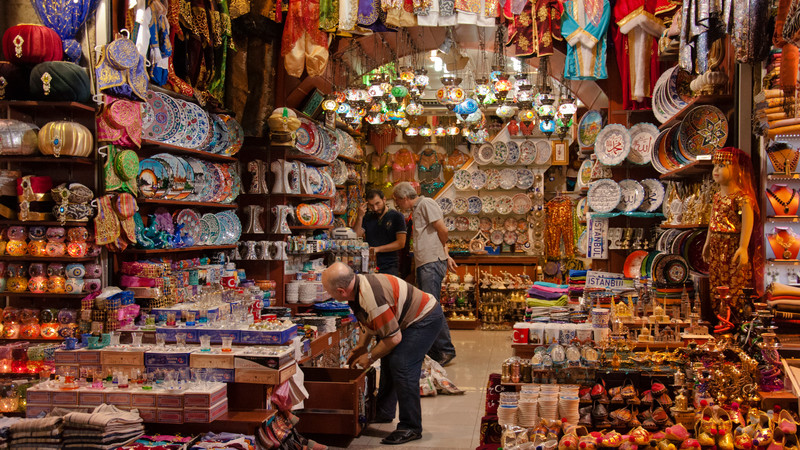
Travel is more than moving from one place to another. When you engage with culture—local traditions, customs, food, and stories—your journey becomes richer, more personal, and deeply memorable. Cultural experiences turn trips into transformative moments that reshape how you see the world and your place within it.
Understanding Culture Beyond Tourist Attractions
Popular landmarks offer visual appeal, but culture lives in everyday moments. Observing how people live, celebrate, and connect reveals the true character of a destination.
Cultural understanding grows when you:
- Spend time in local neighborhoods rather than tourist hubs
- Observe daily routines such as markets, cafés, and public spaces
- Listen to stories shared by residents
- Respect customs, dress codes, and social norms
These interactions create meaningful connections that no guidebook can replicate.
Deepening Emotional and Personal Growth
Cultural immersion challenges assumptions and encourages self-reflection. Exposure to different perspectives broadens emotional intelligence and empathy.
Personal growth through culture includes:
- Learning patience when navigating unfamiliar customs
- Gaining respect for traditions different from your own
- Developing adaptability and open-mindedness
- Becoming more aware of global similarities and differences
Travelers often return home with a renewed sense of gratitude and clarity.
Food as a Gateway to Cultural Identity
Local cuisine reflects history, geography, and community values. Eating what locals eat is one of the most accessible ways to experience culture.
Food-focused cultural experiences can involve:
- Sampling street food prepared using traditional methods
- Participating in cooking classes with local families
- Learning the cultural significance behind regional dishes
- Visiting farms, markets, or food festivals
Meals become stories, and flavors become lasting memories.
Building Authentic Human Connections
Cultural experiences encourage interaction rather than observation. These moments often lead to genuine relationships.
Ways to connect authentically include:
- Staying in family-run accommodations or homestays
- Joining community workshops or local tours
- Volunteering for short-term cultural or environmental projects
- Engaging in simple conversations, even across language barriers
Such connections often become the most cherished part of a journey.
Preserving Cultural Heritage Through Responsible Travel
When travelers engage respectfully, tourism can support cultural preservation rather than harm it.
Responsible cultural travel involves:
- Supporting local artisans and businesses
- Asking permission before photographing people or rituals
- Avoiding exploitative or staged cultural performances
- Learning about historical and cultural context before visiting sites
Mindful travel helps protect traditions for future generations.
Creating Memories That Last Beyond the Trip
Cultural experiences tend to linger long after the journey ends. They influence how travelers think, act, and relate to others.
Lasting impacts include:
- A deeper appreciation for diversity
- Greater curiosity about the world
- Stories worth sharing for years
- A shift from checklist travel to experience-driven exploration
These moments shape not just trips, but worldviews.
FAQs About Cultural Travel Experiences
1. What qualifies as a cultural travel experience?
Any activity that involves learning about local traditions, customs, language, food, or daily life can be considered a cultural experience.
2. Do I need to speak the local language to experience the culture?
No, even basic gestures, respect, and curiosity allow meaningful cultural interactions without fluency.
3. How can introverted travelers enjoy cultural immersion?
Quiet activities like museum visits, local cafés, walking tours, or cooking classes offer cultural insight without intense social interaction.
4. Are cultural experiences suitable for family travel?
Yes, many cultural activities such as festivals, crafts, and food experiences are enriching for travelers of all ages.
5. How do I avoid being disrespectful while experiencing another culture?
Research customs in advance, observe local behavior, and approach every experience with humility and respect.
6. Can cultural travel be done on a short trip?
Absolutely. Even a few intentional experiences can add depth and meaning to a short journey.
7. How do cultural experiences change the way people travel in the future?
They often encourage slower, more intentional travel focused on connection rather than sightseeing alone.
Cultural experiences transform travel by adding depth, connection, and understanding. When travelers engage with people, traditions, and everyday life, journeys evolve into powerful experiences that leave lasting impressions—long after the destination fades from view.

Comments are closed.