

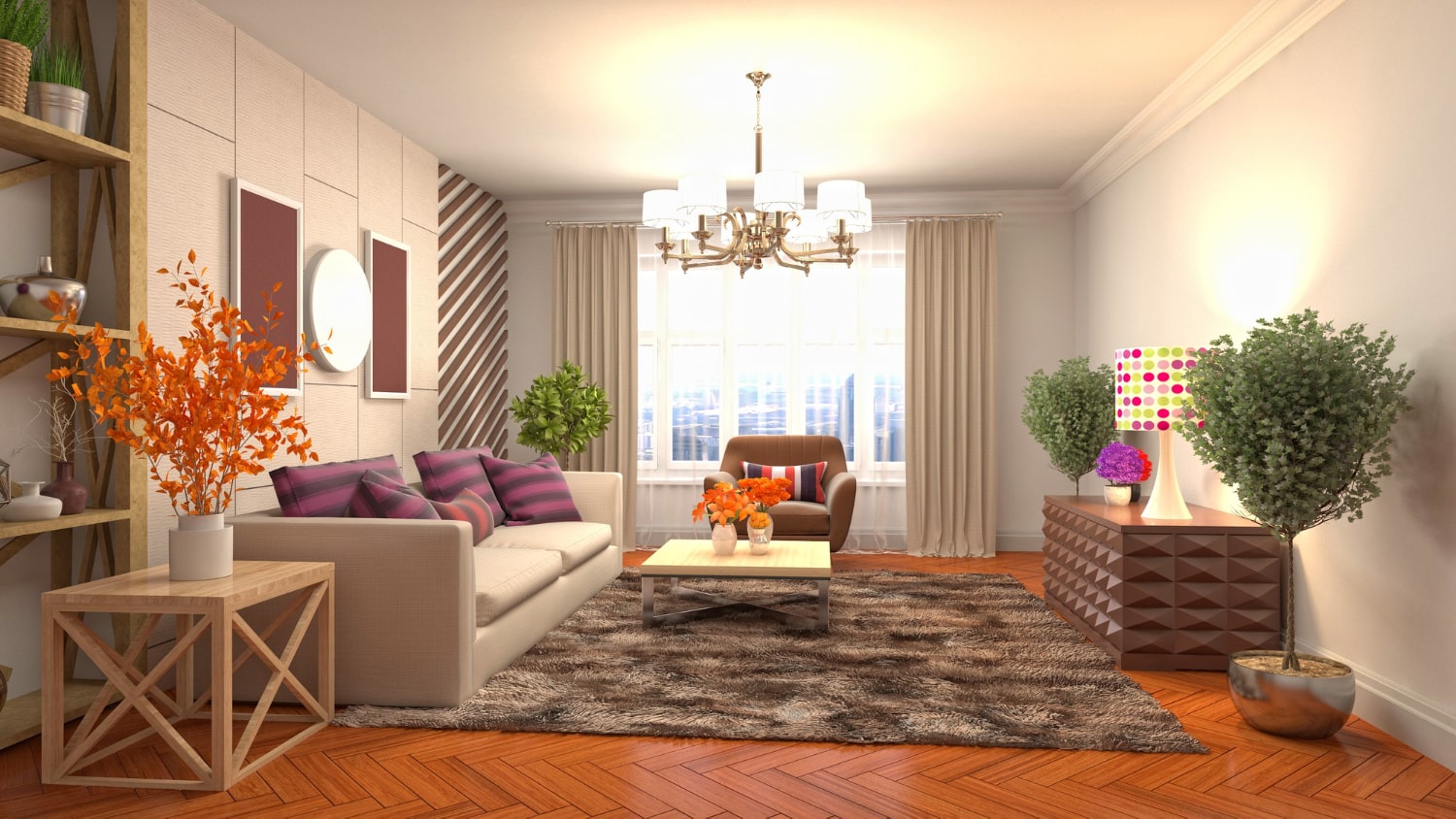
A well-planned furniture layout can make a home feel balanced, comfortable, and visually appealing. Yet many interiors fall short not because of poor furniture choices, but due to avoidable layout mistakes. Understanding these common errors can instantly improve how a space looks and functions—without buying anything new.
Ignoring the Purpose of the Room
One of the most frequent mistakes is arranging furniture without a clear purpose in mind. Every room should be designed around how it’s actually used, not just how it looks.
If the room’s function isn’t defined:
- Seating may feel awkward or disconnected
- Movement becomes inefficient
- The space lacks cohesion
Tip: Decide whether the room is for conversation, relaxation, work, or entertainment before placing any furniture.
Pushing All Furniture Against the Walls
While it may seem like a way to make rooms feel larger, lining furniture along walls often has the opposite effect. It creates empty centers and weakens visual flow.
Common problems include:
- A lack of intimacy in seating areas
- Wasted central space
- An unbalanced appearance
Better approach: Float key pieces like sofas or chairs inward to create defined zones, especially in living rooms.
Choosing Furniture That’s the Wrong Scale
Oversized furniture can overwhelm a room, while undersized pieces may feel insignificant. Both disrupt proportion and comfort.
Signs of poor scale:
- Doors or pathways feel blocked
- Furniture dominates the room visually
- Seating feels cramped or awkward
Rule of thumb: Always measure your room and compare dimensions before purchasing or rearranging furniture.
Blocking Natural Walkways
Furniture that interrupts natural walking paths makes a space feel cluttered and inconvenient. This is especially common in open-plan homes.
Watch out for:
- Chairs placed too close to doorways
- Tables interrupting direct routes
- Tight corners that require constant maneuvering
Best practice: Maintain clear pathways of at least 30–36 inches for comfortable movement.
Poor Lighting Placement
Even a well-arranged room can feel uninviting if lighting is overlooked. Relying on a single overhead fixture is a common error.
Lighting mistakes include:
- Dark corners with no task lighting
- Glare from poorly placed lamps
- Uneven brightness across the room
Solution: Layer lighting using a mix of ambient, task, and accent lights to complement your furniture layout.
Ignoring Focal Points
Every room needs a visual anchor—something the layout naturally revolves around. Without it, the space can feel scattered.
Typical focal points:
- A fireplace
- A large window
- A statement piece of furniture or artwork
Design tip: Arrange seating and furniture to highlight, not compete with, the focal point.
Overcrowding the Space
Too much furniture is one of the fastest ways to make a room feel chaotic. Even beautiful pieces lose impact when crammed together.
Overcrowding leads to:
- Visual clutter
- Reduced comfort
- Limited movement
Less is more: Remove unnecessary pieces and let the room breathe.
Forgetting About Balance and Symmetry
While perfect symmetry isn’t always necessary, a room still needs visual balance. Heavy furniture on one side with nothing to counter it can feel unsettling.
To create balance:
- Distribute visual weight evenly
- Mix heights and shapes
- Pair large pieces with lighter elements
Frequently Asked Questions (FAQ)
How do I arrange furniture in a small room without making it feel cramped?
Use fewer pieces, choose furniture with exposed legs, and keep pathways clear to maintain openness.
Is it okay to mix different furniture styles in one room?
Yes, as long as there’s a unifying element like color, material, or scale to maintain cohesion.
How much space should be left between furniture pieces?
Generally, allow 16–18 inches between seating and coffee tables, and at least 30 inches for walkways.
What’s the biggest mistake people make in living room layouts?
Ignoring the room’s function and arranging furniture purely based on appearance.
Can rugs help fix poor furniture layouts?
Absolutely. Rugs help define zones and visually connect furniture pieces when sized correctly.
How often should furniture layouts be updated?
Layouts can be refreshed whenever needs change—such as new habits, seasons, or household size.
Should furniture always face each other in seating areas?
Not always, but seating should encourage conversation or align with the room’s primary function.
By avoiding these common furniture layout mistakes, you can transform your home into a space that feels both functional and thoughtfully designed—without major renovations or expense.

Comments are closed.