

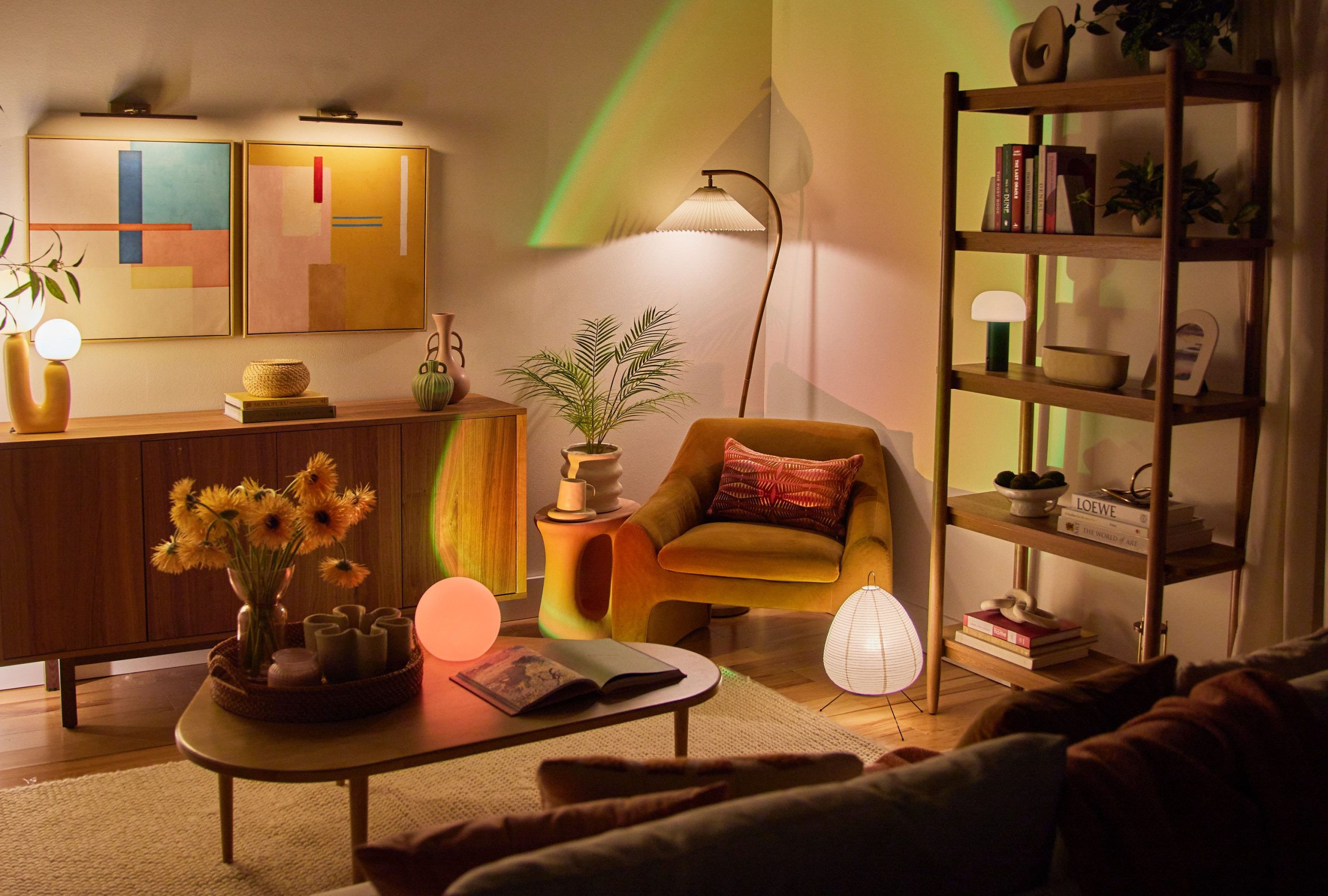
Lighting is far more than a functional necessity. It shapes mood, defines spaces, highlights textures, and can completely change how your home feels. With the right lighting choices, even the simplest interiors can look intentional, warm, and stylish. Thoughtful illumination turns décor into an experience rather than just a visual arrangement.
The Role of Lighting in Interior Design
Lighting works hand in hand with color, furniture, and layout. Poor lighting can make a beautifully furnished room feel dull, while well-planned lighting can elevate modest décor.
Key functions of lighting include:
- Enhancing ambiance by setting the emotional tone of a space
- Improving functionality for tasks like reading or cooking
- Creating visual balance by drawing attention to focal points
- Adding depth through shadows and highlights
When lighting is layered correctly, it adds dimension that paint and furniture alone cannot achieve.
Understanding the Three Types of Lighting
A well-designed room usually combines three types of lighting, each serving a distinct purpose.
Ambient Lighting
Ambient lighting provides overall illumination and sets the base mood of a room. Common sources include ceiling lights, recessed fixtures, and chandeliers. Soft, evenly distributed ambient light prevents harsh shadows and makes a space feel welcoming.
Task Lighting
Task lighting focuses on specific activities. It is essential in functional areas such as kitchens, workspaces, and reading nooks.
Examples include:
- Under-cabinet lights in kitchens
- Desk lamps in home offices
- Vanity lights in bathrooms
Well-placed task lighting improves comfort and reduces eye strain.
Accent Lighting
Accent lighting is decorative and dramatic. It highlights architectural features, artwork, plants, or textured walls.
Popular accent lighting options:
- Wall sconces
- Spotlights
- LED strip lighting
This layer adds personality and a sense of luxury to your home.
How Lighting Influences Mood and Atmosphere
Lighting temperature plays a powerful psychological role. Warm lighting creates a cozy and intimate environment, while cooler lighting feels crisp and energizing.
- Warm white (2700K–3000K): Ideal for living rooms and bedrooms
- Neutral white (3500K–4000K): Works well in dining areas and hallways
- Cool white (5000K+): Best for kitchens, bathrooms, and workspaces
Choosing the right temperature ensures each room supports its intended purpose.
Using Lighting to Make Spaces Look Bigger or Cozier
Strategic lighting can visually alter room proportions. Bright, evenly spread lighting makes small rooms feel larger and more open. Conversely, low-level and indirect lighting can make large spaces feel intimate.
Tips for visual transformation:
- Use uplighting to draw the eye upward and increase perceived ceiling height
- Place lamps in corners to soften hard edges
- Avoid single overhead lights in large rooms to prevent flat, empty visuals
Lighting placement is just as important as fixture style.
Decorative Fixtures as Design Statements
Light fixtures themselves can serve as décor. A sculptural pendant, an elegant chandelier, or minimalist wall lights can become focal points.
When selecting fixtures:
- Match scale to room size to avoid overpowering the space
- Coordinate finishes with existing hardware and furniture
- Balance aesthetics with light output
A statement fixture adds character without requiring additional decorative elements.
Energy-Efficient Lighting Without Sacrificing Style
Modern lighting solutions combine beauty with efficiency. LED lighting offers flexibility in color temperature, dimming options, and design styles.
Benefits include:
- Lower energy consumption
- Longer lifespan
- Reduced heat emission
Energy-efficient lighting supports sustainability while keeping your home visually appealing.
Smart Lighting for Modern Homes
Smart lighting systems allow you to control brightness, color, and schedules with ease. They adapt lighting to daily routines and special occasions.
Advantages of smart lighting:
- Personalized ambiance for different times of day
- Remote control via smartphone or voice commands
- Enhanced security through automated schedules
Smart lighting adds both convenience and sophistication to home décor.
Common Lighting Mistakes to Avoid
Even stylish homes can suffer from poor lighting decisions. Avoid these common pitfalls:
- Relying on a single light source per room
- Ignoring dimmer switches
- Using mismatched color temperatures in the same space
- Overlooking natural light during planning
Balanced lighting design prevents visual discomfort and uneven illumination.
Frequently Asked Questions
How many light sources should a room have?
Most rooms benefit from at least three light sources, combining ambient, task, and accent lighting for balance and flexibility.
Can lighting change how wall colors look?
Yes, lighting temperature and intensity significantly affect color perception, making shades appear warmer, cooler, lighter, or darker.
Is warm lighting always better for homes?
Not always. Warm lighting suits relaxation areas, but task-oriented spaces often require cooler or neutral lighting for clarity.
Are dimmer switches worth installing?
Dimmers allow greater control over brightness and mood, making them a valuable addition to most rooms.
How do I choose the right size light fixture?
Consider room dimensions and ceiling height. Fixtures should complement the space without dominating it visually.
Can lighting increase a home’s resale value?
Well-designed lighting enhances visual appeal, functionality, and ambiance, which can positively influence buyer perception.
What’s the best way to combine natural and artificial light?
Use sheer window treatments, reflective surfaces, and layered artificial lighting to complement natural daylight without overpowering it.
Thoughtful lighting choices have the power to redefine your home’s atmosphere, making each room feel intentional, comfortable, and visually engaging.

Comments are closed.