

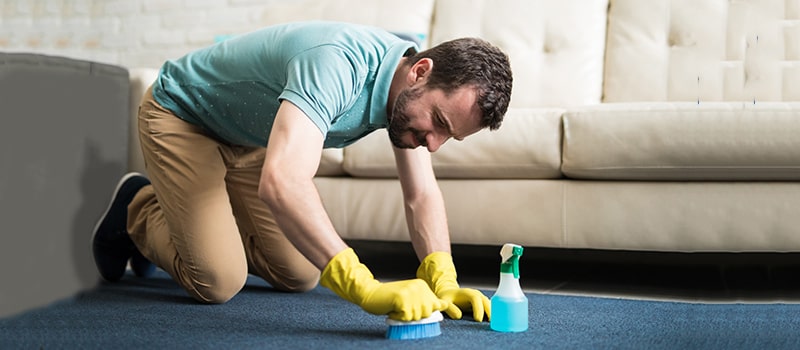
You don’t have to be the Big Lebowski to come to the conclusion that your carpet really ties the room together. While that is very true, there’s also another side to it. Carpets also quietly collect dust, dirt, pet hair, and the occasional wine (or White Russian) spill.
If that’s the case, and especially if it’s been a while, your first instinct is to use or rent some sort of cleaning machine. However, that costs money, and provided you’re willing, there are plenty of cash-saving carpet cleaning hacks that will get the job done just as well.
We’ve gathered a list that contains the best of them. They’ll help you deep clean your carpets and also save you a few hundred quid in the process.
Assess the Carpet’s Condition
First off, take a step back and determine your carpet’s current state. Is it just looking a bit dull overall? Perhaps you are only just staring down some stubborn, set-in stains? Or there’s a mystery smell you’ve been trying to ignore?
If there are stains, you’ll also want to identify what exactly you’re dealing with. From greasy takeaway stains to juice spills and muddy paw prints, every type of mess requires a different approach.
By sizing up the situation first, you’ll save time and avoid wasting effort on methods that aren’t suited for the job. Think of it like this: if you know the type of problem you’re dealing with, you’ll know exactly how to tackle it and get better results the first time around.
Use a list if you have to, and once you’re done, you’re ready to move on to the next step.
Gather Household Cleaning Supplies
Before you even think about heading to the shops, take a peek inside your kitchen cupboards. You’d be surprised at how many powerful and safe cleaning tools you already have at your disposal.
That’s how you save money.
For example, baking soda does the heavy lifting when it comes to neutralising odours and absorbing excess moisture. Vinegar steps in to break down grime and eliminate bacteria, while dish soap cuts through sticky, greasy messes with ease.
Add a soft-bristled brush to the mix, and you’ve got a gentle yet effective way to lift dirt from carpet fibres without causing damage.
Together, these household staples provide a budget-friendly, chemical-free cleaning method that’s as gentle on your carpet as it is on the environment.
Lastly, gather everything in one place before you start. That way, you’re not hunting for supplies while in the midst of a cleaning task. A small spray bottle, some clean microfibre cloths, and a good vacuum cleaner will round out your cleaning kit nicely.
Create Your Own Cleaning Solutions
It’s time for what many consider the most satisfying part: creating your own carpet cleaners. It’s surprisingly easy, and besides, you’ll know exactly what you’re using on your floors.
Additionally, DIY cleaning solutions are often more cost-effective than store-bought ones and just as effective.
For a basic all-purpose cleaner, mix equal parts white vinegar and warm water in a spray bottle. That’s perfect for dealing with general dirt and refreshment. Not to mention, it’s also a great answer to how to clean your carpet without a machine.
Suppose you got a stubborn stain, like wine, coffee, or a pet mess that’s overstayed its welcome? Create a simple paste by mixing baking soda with a few drops of dish soap and a splash of warm water.
Apply that directly to the stain and let it sit for about 10–15 minutes. Then gently blot it away with a damp cloth. The baking soda lifts the stain while the soap cuts through grease. That’s it!
You can also store leftover mixtures in airtight containers or bottles in a cool cupboard for next time. It’s a cleaner, greener, and a lot more affordable method than grabbing a bottle off the shelf.
However, if you’re working with delicate fibres or older carpets, a professional cleaner can take the guesswork out and help extend your carpet’s lifespan.
How To Apply Your Cleaning Solution Properly
When applying your cleaning solution, resist the urge to soak the area. Lightly mist the carpet using a spray bottle, or for spot-treating, dampen a clean cloth and blot the stain.
Oversaturating can push the dirt deeper into the fibres or lead to mildew if the carpet doesn’t dry properly.
Focus on one small section at a time. After applying the solution, give it 10–15 minutes to work its magic.
For deeper cleaning, gently scrub using a soft brush. Use just enough pressure to lift the dirt, but not so much that you damage the pile.
Always test any solution on a hidden part of your carpet first to make sure it won’t cause discolouration. It’s always better to be safe than sorry.
Use The Deodorising Power of Baking Soda
If your carpet has a slightly musty smell, this exact hack is for you.
After cleaning, sprinkle a generous layer of baking soda over the entire carpet (or just the problem areas). Let it sit for a few hours or overnight, if possible. It will absorb lingering smells, moisture, and oils trapped in the fibres
Once it’s had time to do its job, simply vacuum it up. You’ll be left with a carpet that not only looks better but also smells fresh. It’s a low-effort, high-impact fix, and it costs next to nothing.
How You Tackle Spill Accidents Matters
When a spill happens—and let’s face it, they always do—the way you respond can make or break your carpet.
The golden rule is to blot, not rub. Rubbing spreads the stain and pushes it deeper into the fibres, making it harder to remove.
Instead, take a clean cloth or paper towel and gently press down on the spill. Repeat this process with fresh towels until most of the liquid has been absorbed.
This technique lifts the stain and out without damaging the texture of your carpet. It may take a little longer, but the payoff is a stain-free, smooth finish and a lot of money saved.
Dry Your Carpet the Right Way
You’ve cleaned, treated, and deodorised. Now let your carpet dry properly. This step is crucial if you want to avoid that damp, funky smell or, worse, mould growth.
Open windows to let in fresh air and encourage airflow. If it’s a humid day or the room doesn’t have good ventilation, set up a fan to help things along. Avoid walking on the damp areas until they’re completely dry, or you might undo all your hard work.
Once it’s dry, give the area a quick vacuum to lift the fibres and fluff the texture. You can even take the opportunity to rearrange the furniture a bit. Shifting heavy pieces occasionally helps prevent wear patterns and keeps your carpet looking its best.
Conclusion
Who knew your kitchen cupboard was hiding such an effective arsenal for carpet cleaning?
Your floors are now spotless, your bank account is intact, and you’ve officially helped out your environment by going green!
Congratulations! Now, it’s time to admire your handiwork and maybe invite some friends to do the same over a nice cuppa and some tasty treats.

Comments are closed.