

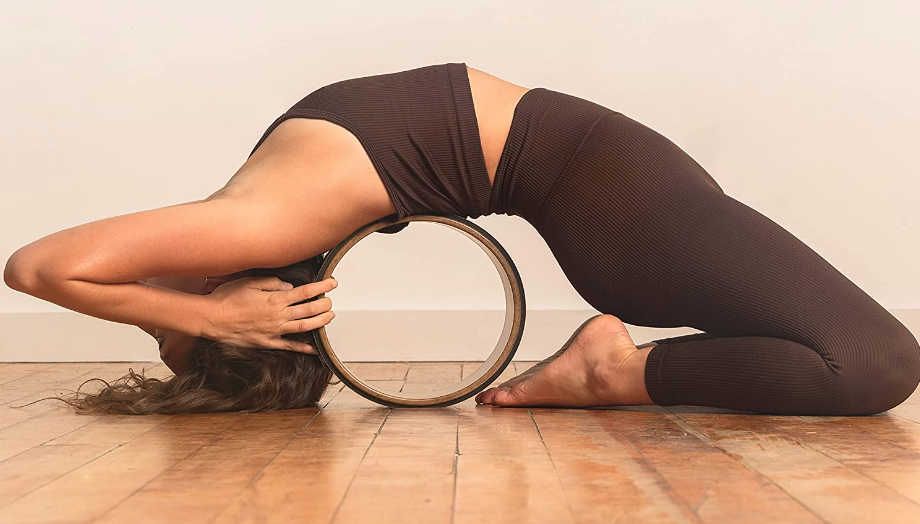
Elevating Stability and Focus Through Yoga Wheel Practice
Balance and coordination are at the heart of a strong and sustainable yoga practice. They not only support advanced postures but also translate into greater resilience and agility in everyday life. Integrating the yoga wheel into standing and inverted poses offers a fresh challenge to practitioners, enhancing proprioception, strengthening stabilising muscles, and deepening concentration.
The yoga wheel introduces an element of dynamic instability, compelling the body to make constant micro-adjustments. This heightened demand on muscular and neural systems fosters quicker reflexes, stronger connections between mind and body, and a more refined sense of spatial awareness.
Why Balance and Coordination Matter in Yoga
In yoga, balance is not merely about staying upright. It reflects a harmony between strength, flexibility, focus, and breath control. Coordination, meanwhile, involves the smooth integration of multiple body parts working towards a common goal.
Benefits of developing balance and coordination include:
- Reduced Risk of Injury: Strong stabilising muscles protect joints from sudden movements or misalignments.
- Enhanced Athletic Performance: Better balance improves agility, reaction times, and endurance.
- Deeper Mind-Body Connection: Concentrating on micro-movements increases mindfulness and presence during practice.
- Functional Movement Efficiency: Everyday tasks, from walking to lifting, become safer and more effortless.
Mastering balance and coordination using the yoga wheel transforms your practice from foundational stability to dynamic control.
Foundational Skills Before Attempting Advanced Wheel Poses
Before exploring complex standing or inverted yoga wheel poses, it is crucial to establish a strong foundation.
Preparatory drills:
- Basic Standing Poses with the Wheel: Start with simple movements like standing with one foot on the wheel while holding onto a wall or block for support.
- Core Activation: Practise planks, hollow body holds, and boat pose (Navasana) to engage deep core muscles essential for balance.
- Ankle and Foot Strengthening: Perform calf raises and toe-tapping drills to enhance lower limb responsiveness.
- Wrist Conditioning: Strengthen the wrists through gentle load-bearing exercises, preparing them for weight-bearing inverted poses.
Gradual progression ensures that the transition into more challenging postures is safe and sustainable.
Unique Standing Poses on the Yoga Wheel
Standing poses with the yoga wheel elevate traditional asanas by introducing movement and instability.
1. Wheel-Assisted Tree Pose (Vrikshasana Variation)
- Place one foot firmly on the centre of the yoga wheel.
- Bring the opposite foot to the inner thigh or calf of the standing leg.
- Extend the arms overhead or bring palms together at the heart.
- Engage the core and gaze softly at a fixed point to stabilise.
Benefits: Improves ankle stability, strengthens quadriceps, and enhances hip alignment.
2. Moving Warrior III (Virabhadrasana III Variation)
- Begin with hands on the wheel and one foot behind in a lunge.
- Slowly shift weight forward, extending the back leg up while rolling the wheel forward slightly.
- Aim for a straight line from head to heel.
Benefits: Develops single-leg balance, strengthens glutes and hamstrings, and refines body control.
3. Half Moon Pose with Wheel (Ardha Chandrasana Variation)
- Stand sideways to the wheel, place the front hand lightly on it, and lift the back leg.
- Stack the hips and open the chest toward the sky.
Benefits: Builds lateral stability, challenges hip mobility, and enhances proprioceptive awareness.
Practising these standing poses challenges traditional notions of stillness, requiring an active, breathing balance in every moment.
Exploring Inverted Poses on the Yoga Wheel
Inversions amplify the demand for coordination, focus, and control. The yoga wheel can serve both as a launching pad and as a supportive partner in these gravity-defying poses.
1. Wheel-Supported Shoulder Stand (Sarvangasana Variation)
- Lie on your back with the wheel placed under your sacrum.
- Use your hands for additional support as you lift the legs vertically upward.
Benefits: Strengthens the shoulders and core while decompressing the spine.
2. Forearm Stand Launchpad (Pincha Mayurasana Preparation)
- Place the forearms on the ground and the toes on the wheel behind you.
- Slowly roll the wheel forward as you kick up into forearm stand.
Benefits: Teaches alignment for inversion entry, builds shoulder stability, and refines core engagement.
3. Handstand Entry Using the Wheel
- Begin in a downward dog position with feet resting on the wheel.
- Shift the weight onto the hands and lift one leg at a time towards the ceiling.
- Use small rolls to adjust balance gradually.
Benefits: Develops handstand mechanics in a supported, progressive manner.
Using the yoga wheel in inverted training reduces fear and offers a tactile sense of movement trajectory.
The Science Behind Balancing on a Dynamic Surface
Balancing on a yoga wheel is not merely an act of strength; it engages complex neuromuscular processes.
When standing or moving on the wheel:
- Proprioceptors in muscles, tendons, and joints constantly send feedback to the brain.
- The vestibular system (inner ear) helps maintain equilibrium by sensing head position changes.
- Small stabiliser muscles activate rapidly to counteract any tipping or swaying.
This multisystem engagement enhances neuroplasticity, the brain’s ability to adapt and create new pathways, resulting in faster reflexes and improved coordination across other activities.
Safety Tips for Practising Advanced Yoga Wheel Poses
While the yoga wheel offers thrilling possibilities for balance and inversion training, safety must always remain a priority.
- Warm Up Thoroughly: Loosen the shoulders, wrists, hips, and ankles before attempting balancing poses.
- Use a Spotter or Wall: Especially when first learning new poses, having a support system minimises the risk of falls.
- Start Low to the Ground: Practise near a soft surface like a mat or padded area.
- Move Slowly and Mindfully: Rushing destabilises balance; slow, controlled movements build strength and precision.
- Engage Core Continuously: Core activation protects the spine and enhances overall control.
With mindful practice, the yoga wheel becomes not a source of instability but a powerful tool for building enduring, adaptable balance.
Creative Balance Challenges with the Yoga Wheel
For those who wish to further challenge themselves beyond traditional poses, creative drills can be incorporated into training routines.
Ideas for innovative balance work:
- Eyes Closed Balancing: Perform standing poses with eyes closed to sharpen proprioceptive sensitivity.
- Partner Balance Games: Partner up and perform mirror movements while balancing on separate wheels.
- Flow Sequences: Create mini vinyasa-style flows transitioning between standing poses atop the wheel to cultivate dynamic stability.
Introducing playfulness into balance training keeps the mind engaged and encourages exploration beyond perceived limits.
Incorporating the Yoga Wheel into a Weekly Balance Routine
Consistency is key to developing superior balance and coordination skills.
Sample weekly schedule:
- Monday: Standing poses focus (Tree, Warrior III)
- Wednesday: Core and inversion drills (Forearm stand entries, wheel planks)
- Friday: Dynamic flow incorporating moving balance sequences
- Sunday: Restorative session focusing on myofascial release and passive inversions
Structured yet varied sessions prevent plateaus and promote continuous improvement.
Brands like Yoga Edition offer well-designed yoga wheels that support a wide range of practitioners, from beginners building balance to advanced yogis exploring complex inversions.
Conclusion: Expanding Horizons Through Dynamic Balance
Integrating standing and inverted poses using the yoga wheel elevates both physical skill and mental focus. The dynamic surface demands a deeper connection between mind and body, unlocking pathways of strength, adaptability, and resilience.
By embracing the challenge with patience and playfulness, practitioners not only master impressive postures but also embody balance in every movement, both on and off the mat.

Comments are closed.